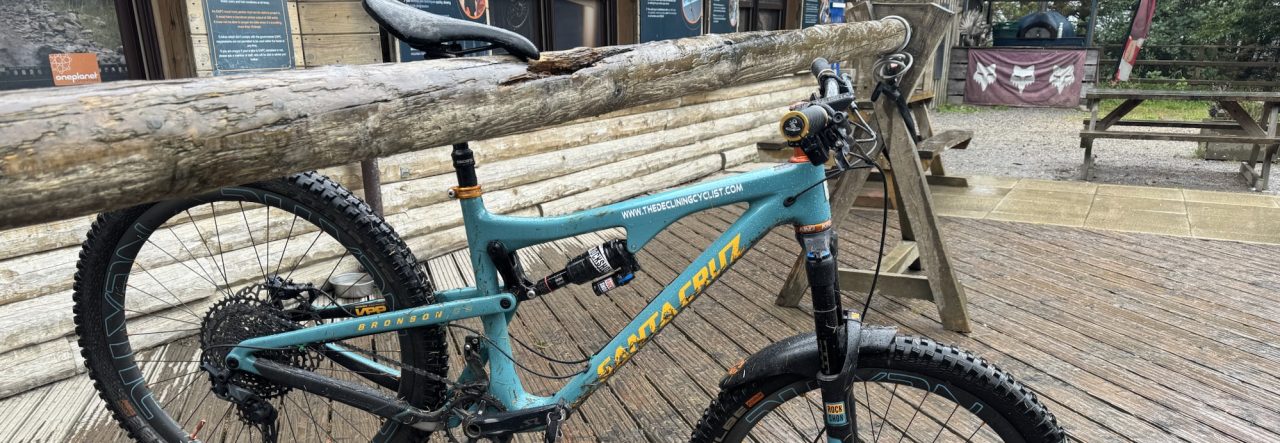
I’ve been running a 4iiii single sided powermeter on my Sabbath road bike for a couple of years, I picked up the 4iiii second hand and really fitted it out of curiosity to see if it would benefit my training. The short answer was yes, although I’m not anywhere near the sort of cycling performance level that makes counting and tracking every watt of power necessary I found the wattage display on my Wahoo a useful measure of how hard I was actually pushing and also a decent indicator of how well I was riding. Once I’d got used to the sort of numbers I was usually hitting it became a decent addition to my rather hit and miss approach to trying to train effectively and I only really realised how much I was using it when I started to ride more seriously on a bike that didn’t have one. When I started using my newly acquired Giant TCR for the sort of fast rides that I set out to push myself on last summer I decided that fitting a powermeter was going to be my first significant upgrade to the bike.
So I started looking for another secondhand 4iiii unit like I had on the Sabbath and much to my annoyance I couldn’t find one. ‘Just buy a brand new one!’ I hear you cry, but for some strange reason I found I just couldn’t justify the cost for something that is firmly in the ‘nice to have’ not ‘need to have’ category. (This logic is rather weird considering a couple of other purchases of mine recently, but more about them in other posts…… 😁)
After missing out on a couple of eBay auctions that either went higher than I wanted to pay or I just missed the end of and still baulking at paying the £360ish cost of a new unit I started to think a little more laterally and found myself reading lots of reviews of the quite well regarded Chinese made Magene PS505 crank based unit thats widely available from a bewildering variety of sellers on AliExpress and similar websites for around £250. Thats a similar price to what a secondhand 4iiii unit was going to set me back and I was very tempted, but £250 is still quite a lot of money to drop on AliExpress and although my finger kept hovering over the checkout button on my phone I just kept chickening out at the last click of the ‘confirm purchase’
Then I started to see the Geoid PM500 unit being mentioned in the odd review of the Magene and some forum threads on the new wave of Chinese cycling products. Like anything moderately successful in this world it seems the Magene itself had now been cloned even cheaper by another Chinese company. The Geoid unit appeared to be a carbon copy of the Magene and was ludicrously cheap, and then I found some enterprising individual seemed to have already imported a truckload and was selling them next day delivery on Amazon for £159 😳……….. Well at that price delivered the next day it was worth a punt despite the lack of reviews so I prised open my wallet.
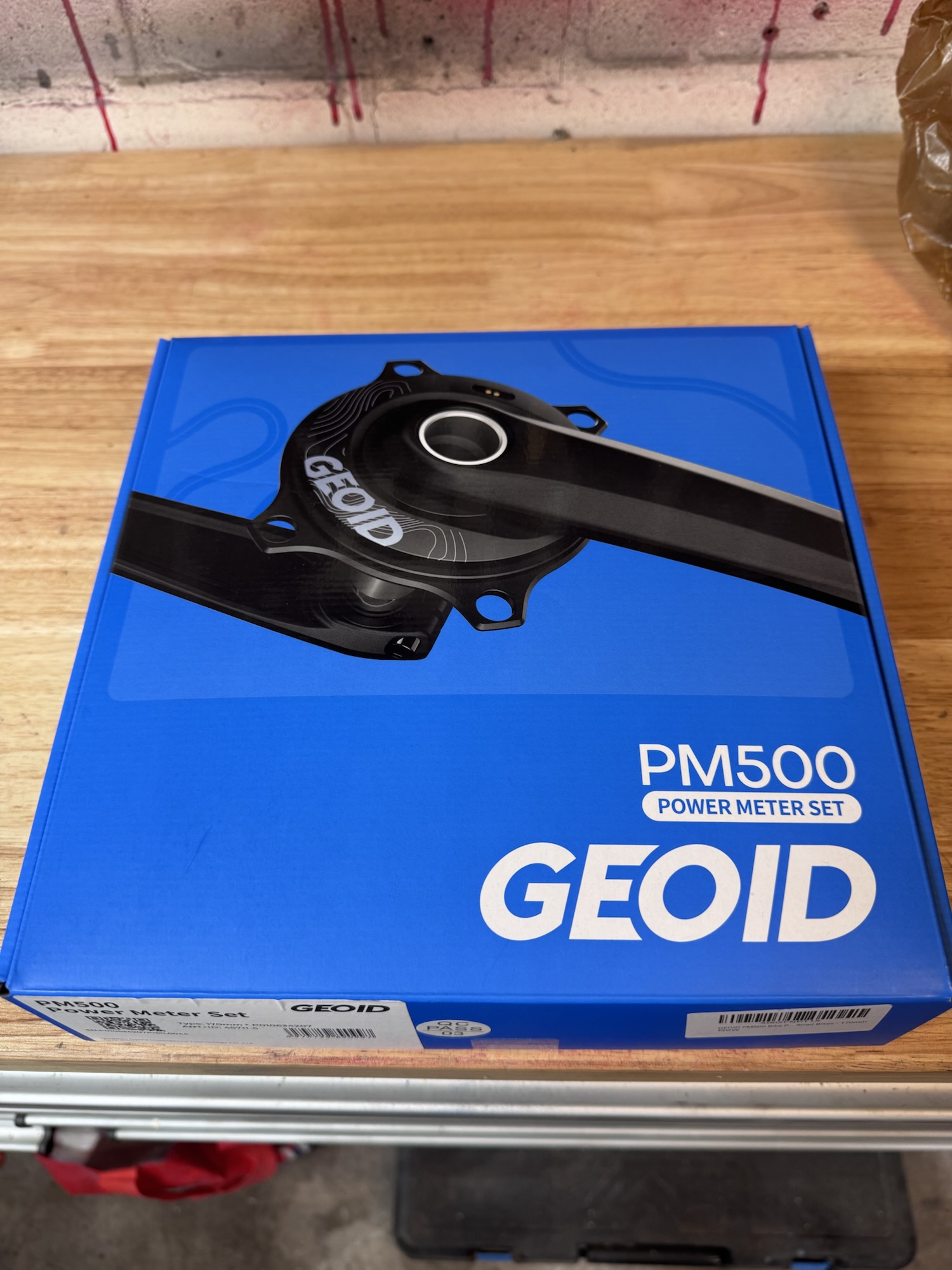
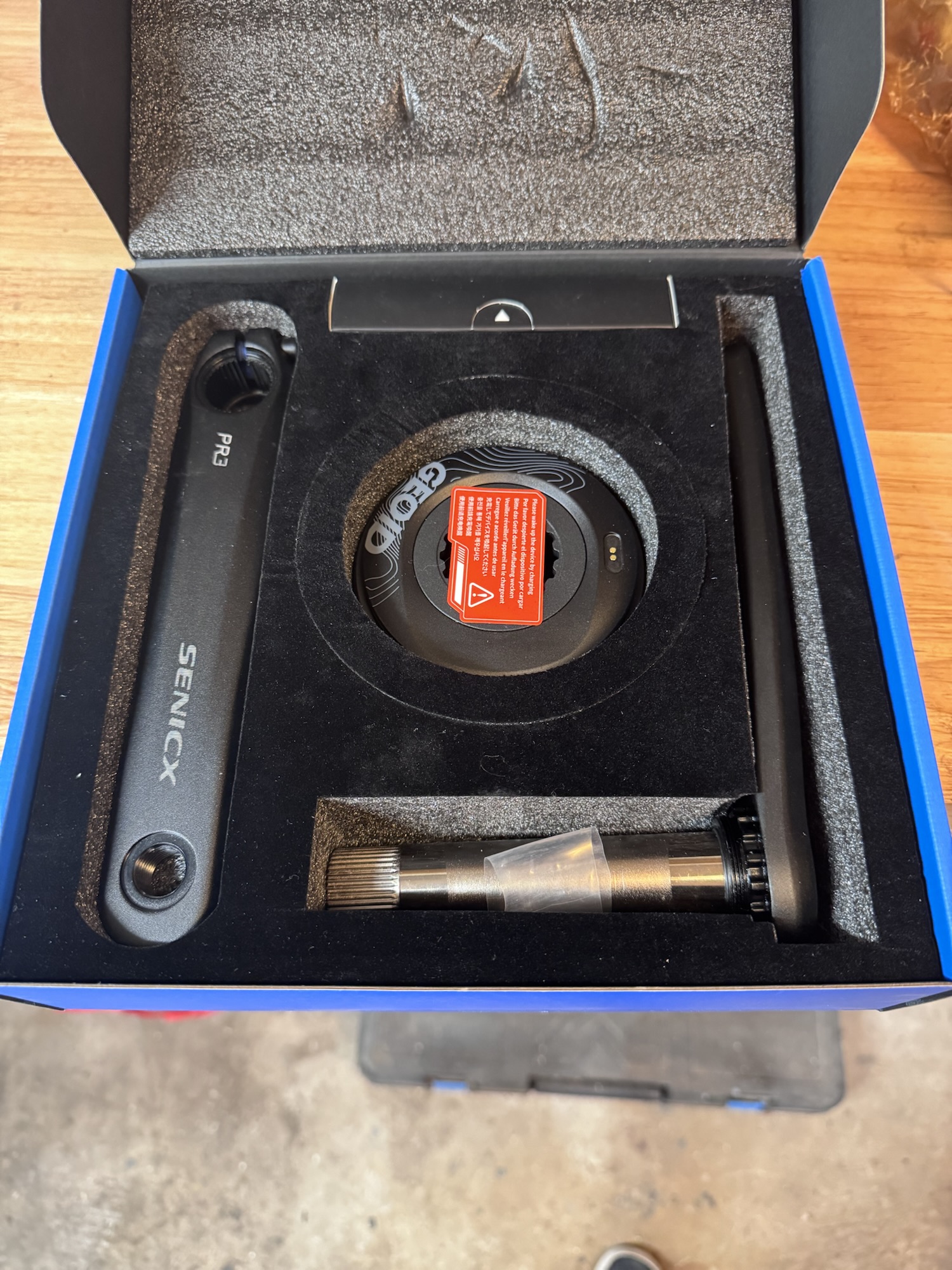
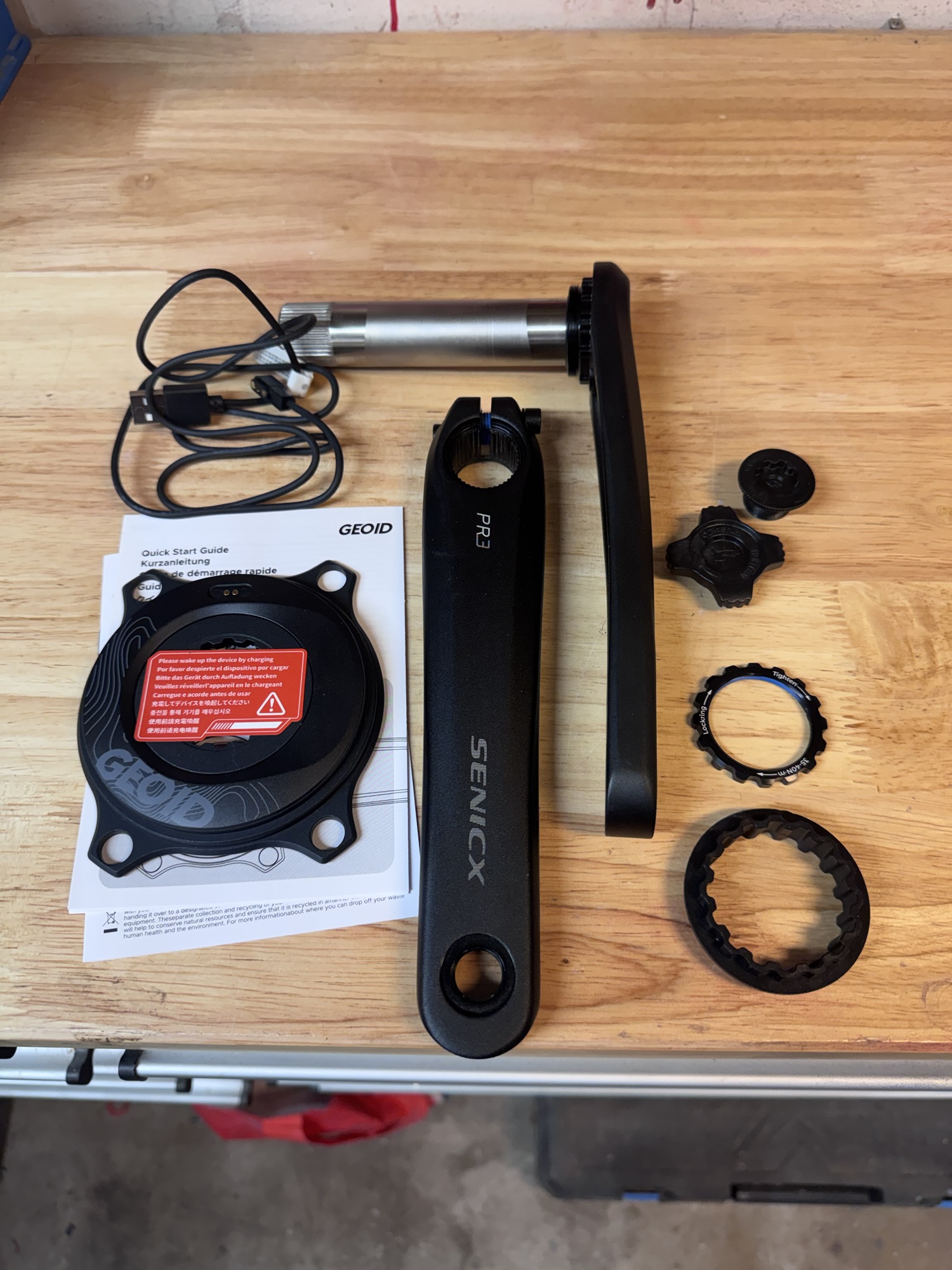
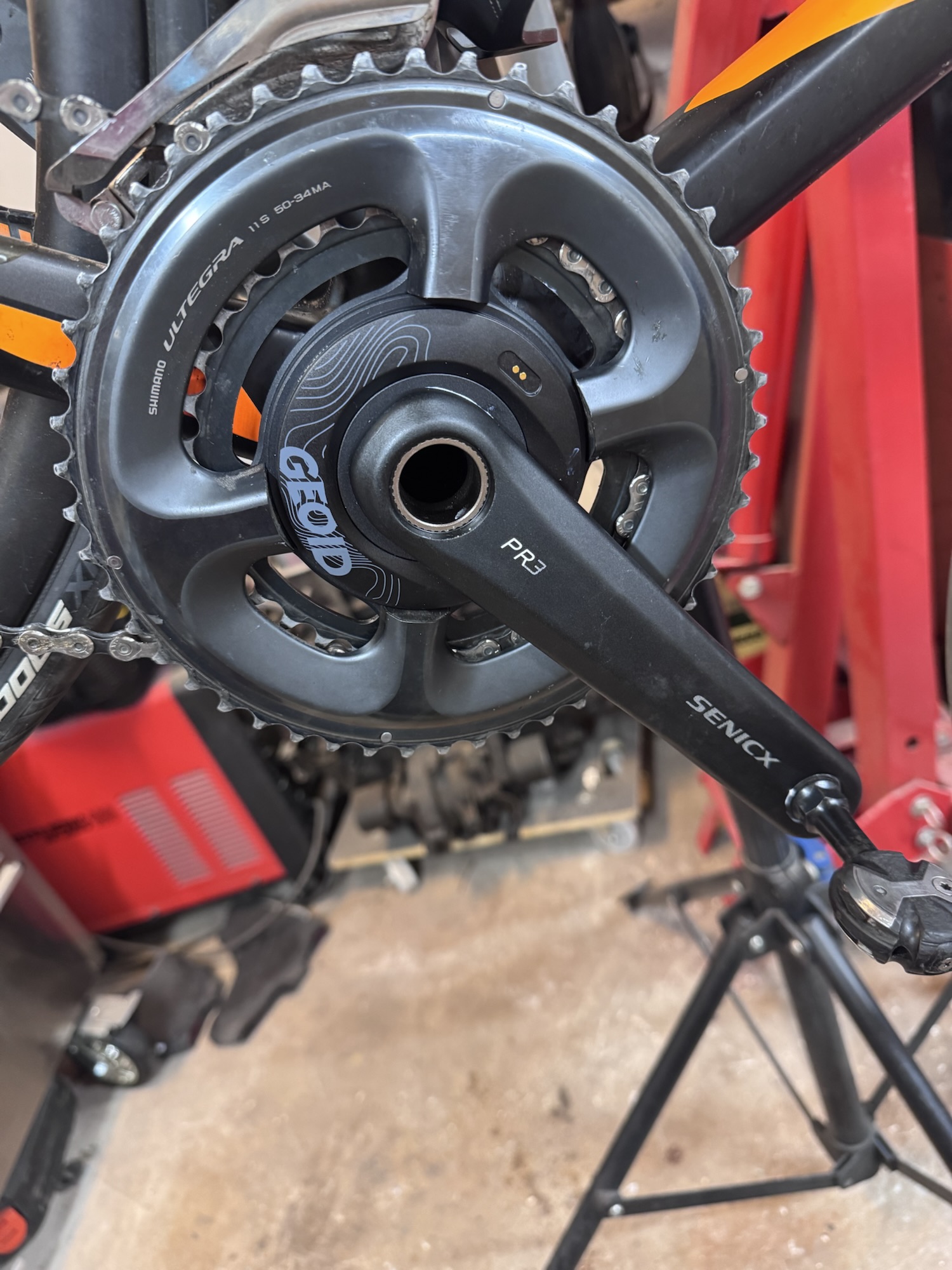
So the next day this is what appeared and in short order it was fitted to the TCR. It’s a pretty simple job, remove the old crankset and whip off its chainrings. The Geoid unity is designed to accept the 100mm BCD 4 arm Shimano chainrings so after assembling the powermeter unit onto its drive side crank arm you just bolt on the Shimano chainrings and reassemble the bike. Charge the unit with the supplied cable that attached magnetically and you’re good to go according to the rather sparse instruction leaflet.
If thats the overview what’s the deeper dive on the unit look like? Well the first thing to note is it’s pretty heavy. Thats the first thing I noticed when the Amazon delivery driver handed me the box, it’s a fair chunk off what looks like solid aluminium alloy for the crank arms. The second thing you notice when you look closely is the fit and finish on the crank arms and axle is quite crude in places. The finished bearing surfaces on the axle aren’t very uniform in width and the actual fit of the powermeter onto its spigot on the drive side crank is quite loose. It attaches just like a Shimano direct drive chainring on one of their MTB cranksets, it drops onto a machined keyway and is secured by a lock ring. There is a supplied plastic lockring tool included in the box which is designed to fit into a standard Shimano HollowTech BB tool, but I used my dedicated shimaino chainring tool which fitted the Geoid lock ring perfectly. Once the locking is tight the play between the crank and the powermeter disappears, but only time and use will tell if the rather loose fit will become an issue. I do see creaking noises in my future …….
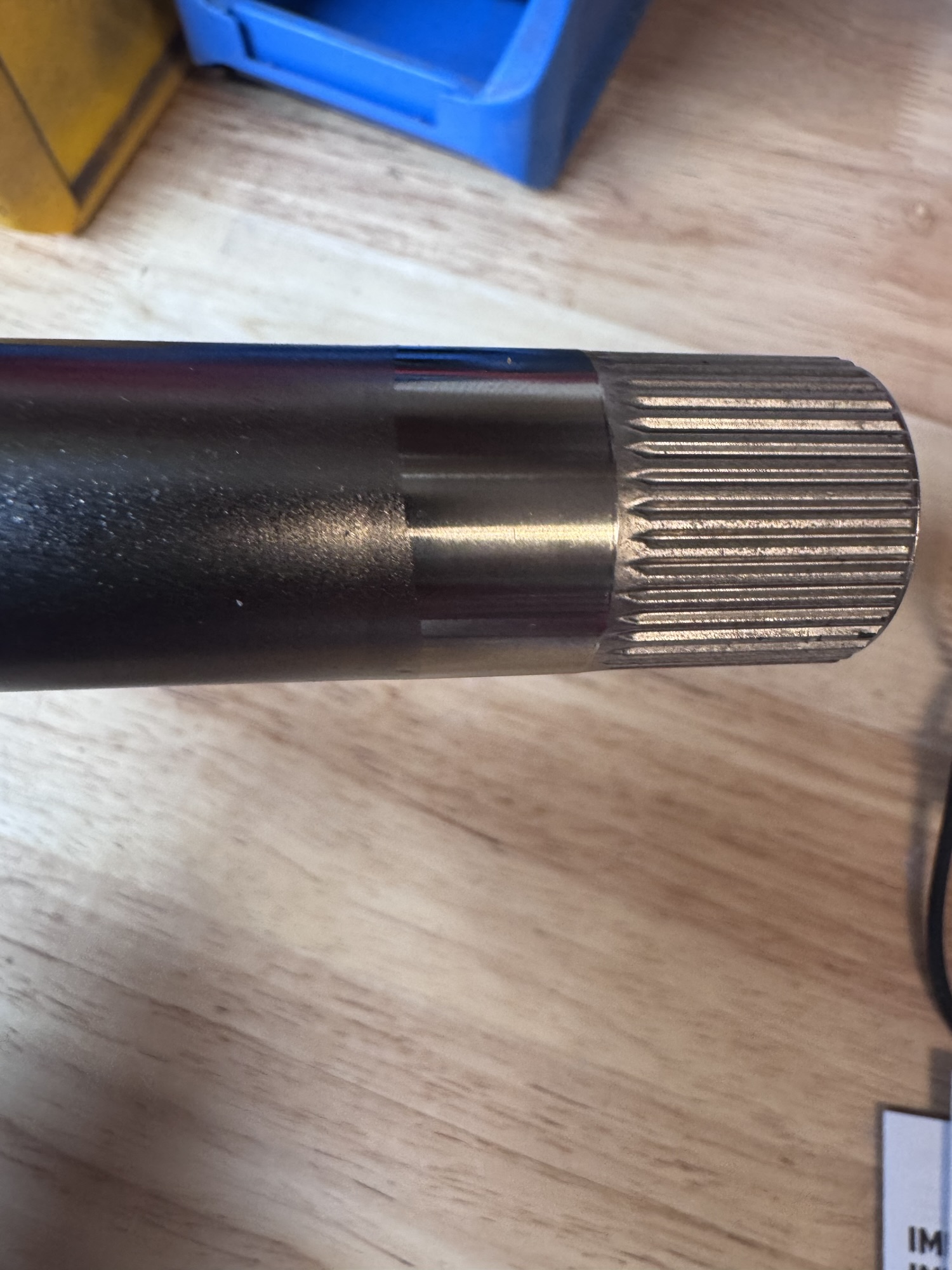
Loose fit between the Powermeter and the crank spider.
Fitting the assembled unit to the bike was just like attaching any other 24mm through axle crankset, I did try to negate some of the weight gain by refitting the considerably lighter original Shimano Ultregra non-drive side crank arm which fitted onto the Geoid axle splines fine. The internal thread of the crank axle is different to the Shimano standard however so you have to use the supplied preload cap which a bit like the rest of the unit is a bit less ‘premium’ than the Shimano part it replaces. having said that it fits fine and seems to work ok, and once its installed who ever really looks at their cranksets preload cap again? Don’t lose the Geoid supplied tool for it though, because a standard Shimano tool doesn’t fit! Weighing the complete bike before and after installation revealed a 320gram weight gain which will no doubt horrify the weight weenie brigade but in reality probably isn’t noticeable out on the road for 99% of riders. If I had fitted the Geoid non-drive side crank that figure would have been higher.
After charging the unit with the rather neat magnetic power adapter pairing the unit with my Wahoo Roam headunit was as simple as adding any other sensor. After waking the unit up with a couple of turns of the crank up it popped on the Wahoo’s ‘add sensor’ screen and after a brief pairing pause while the two units decided if they wanted to be friends (they did) we were ready for a test ride. So I sallied forth to see what sort of power I was capable of and the initial results were astonishing, according to the PM500 I was suddenly practically a World Tour Class rider, just pootling along on the flat I was apparently pushing out 200 plus watts, and making a brief effort up a very minor incline saw me regularly hitting the high 300’s with very little apparent effort. Now if this had been my first powermeter I might have been tempted to start ringing British Cycling to alert them that there was a late blooming undiscovered cycling prodigy lurking in the wilds of Cheshire, but seeing as I knew from the figures I normally saw on the 4iiii that 150-200watts was my usual eyes bulging I’m about to blow up level of effort on the flat I suspected that what we had here was a pretty big calibration issue.
The not very helpful Geoid quick start guide had mentioned the importance of carrying out a ‘zero calibration’ of the powermeter but had been more than a bit vague about how to actually do it, in fact it just said ‘use a bike computer’ if required. Hmmmmm, so after about 20km of riding at an insane level of power (for me) I pulled over for a look through the Wahoo units menu’s. Sure enough if I navigated to the powermeter in the settings menu and selected it a ‘calib’ button appeared at the bottom of the screen so I clicked it and waited while the Wahoo had a bit of a think then announced it had applied a +39 0ffset whatever than means. Off I set again and what do you know but suddenly I was just Mr Slightly Below Average again (just in terms of power numbers obviously) The Geoid was now giving me numbers that looked close enough to what I’d usually expect to see that I was happy to believe them.
Are they super accurate? well I’ve got no real way of knowing, they are certainly comparable to what I’d usually see from the 4iiii unit on the Sabbath and for the way that I use a powermeter thats good enough. If you need hyper accuracy and repeatable down loadable results then you wouldn’t be buying this unit anyway, you’ll be dropping 5 times the price on a set of Garmin Powerpedals or a similar premium product from a mainstream manufacturer. I’m happy enough for now, I’ve got the power figures and cadence data fields active again when I’m riding the TCR for very little cost and a slight weight gain so thats a win in my book. How long the Geoid PM500 lasts will be a story only time and extended use will tell. I’ll report back if anything changes 👍


Hi any update on this as looking for a backup for gravel bike
thanks
LikeLike
Well I’ve put about 800km on it now and it’s been faultless, the only negative I can really see is the weight, but if you can live with that and want a cheap powermeter I’d say go for it !
LikeLike